
Who Has the Advantage in Ukraine?
More than four years into Russia’s full-scale invasion, the war has become a grinding war of attrition. Russian forces continue slow, costly advances in parts of Donbas, while Ukraine has shown resilience through constant adaptation, drone innovation, localized counterattacks, and expanding deep strikes against Russian infrastructure.
The ongoing Middle East crisis has added new pressure. Surging global oil prices have provided Russia with a significant revenue windfall, while competing Western demands on air defense stocks have raised concerns in Kyiv about the sustainability of external support.
The core dilemma is this: Does Russia retain a decisive long-term advantage thanks to superior material power, manpower reserves, and now bolstered economic resources? Or has Ukraine demonstrated sufficient military capacity, innovation, and adaptability to keep Russian gains indecisive and sustain the fight despite its own manpower and resource challenges?
Michael Kofman and Michael C. Desch present sharply contrasting assessments of the military balance and Ukraine’s ability to sustain the war in 2026 and beyond. Members are invited to submit focused questions after the positions are published.
Contributors:
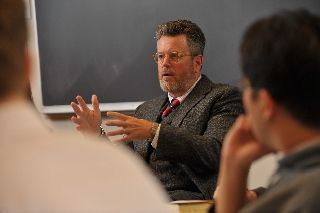
Michael Desch
Professor and Director at University of Notre Dame

Michael Kofman
Senior Fellow at Carnegie Endowment
Moscow Between Beijing and Washington
Since Donald Trump returned to the White House, his declared ambition to “un-unite” Russia and China has brought the deepening Moscow-Beijing partnership into sharp focus. Years of Western sanctions have made Russia significantly more dependent on China for markets, finance, technology and energy exports. Bilateral trade now approaches $250 billion annually — dwarfing any realistic U.S. alternative — while Moscow’s economic isolation from the West has grown.
This situation has added a new strategic layer to efforts to negotiate an end to the war in Ukraine. Although the Kremlin is conscious of the risks of over-dependence on its giant neighbour, the strengthened partnership with China appears to have given Moscow greater confidence in pressing its maximalist demands regarding Ukrainian sovereignty and territorial integrity. This raises a central question: Can the United States effectively exploit or target this Russia-China unity to advance its own interests, and how realistic is such an approach?
The core dilemma is therefore this: Has China’s growing influence and Russia’s resulting liabilities become a meaningful factor in how the Kremlin handles the Trump administration — allowing Moscow to dangle the prospect of a “reverse Kissinger” realignment with Washington to extract a favourable Ukraine settlement and gain strategic breathing space? Or is the China factor ultimately overstated, with both sides primarily driven by the imperative to end the war rather than by any fundamental redesign of the Russia-China relationship?
Alexander Gabuev and Samuel Charap present their contrasting assessments of the role China is playing in the Kremlin’s strategy toward Trump. Members are invited to submit focused questions after the positions are published.
Contributors:

Alexander Gabuev
Director at Carnegie Russia Eurasia Center
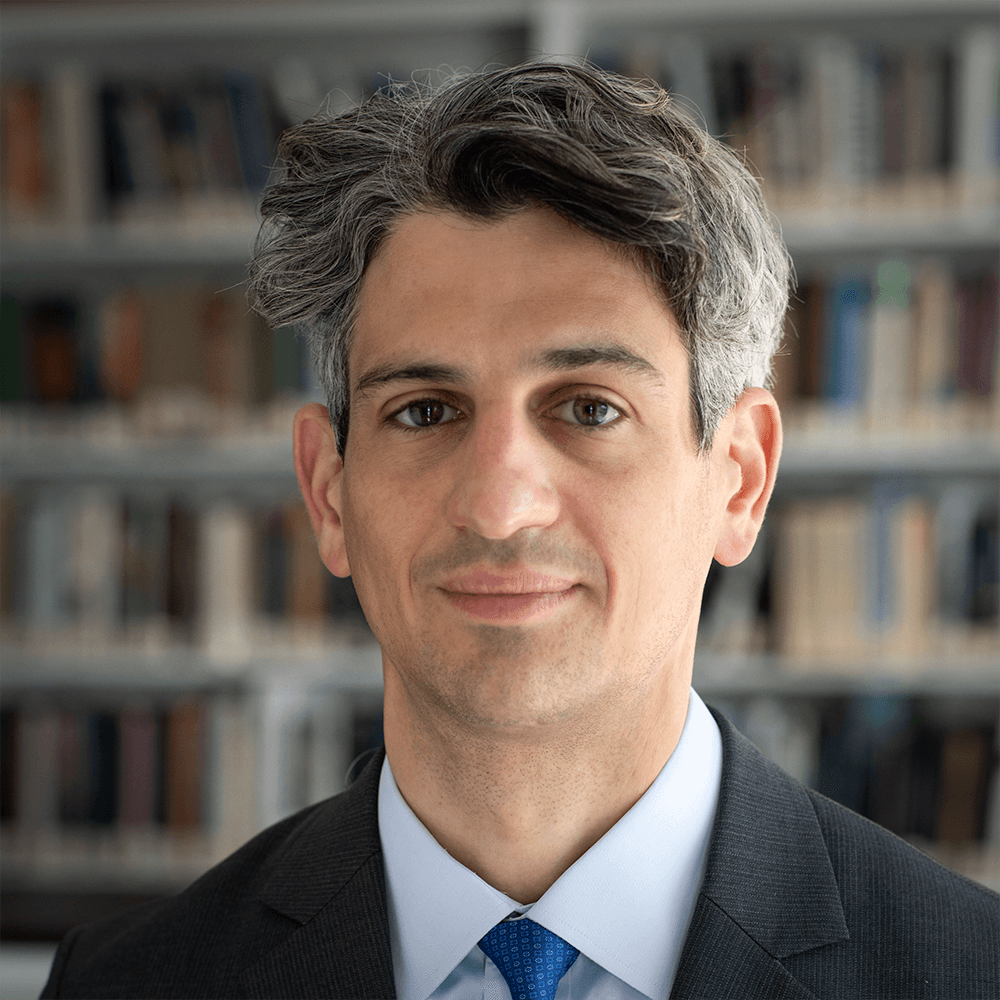
Samuel Charap
Distinguished Chair in Russia and Eurasia Policy at RAND
StarkTalk welcomes applications from contributors and professionals, subject to our selection process.
By joining, you are stepping into a trusted circle, not just another forum or social media platform.
Whither Russian Energy?
Four years after Russia’s full-scale invasion of Ukraine and amid sustained Western sanctions, the Russian energy sector has been forced into a dramatic reconfiguration. The once-core partnership with Europe has been largely severed, compelling Moscow to redirect oil and gas exports toward Asia—primarily China and India—often at steep discounts, via shadow fleets, intermediaries, and improvised logistics. Russia continues to move large volumes of energy globally, yet operates under constant pressure, with revenues volatile and long-term commitments harder to sustain.
The ongoing crisis in the Middle East has suddenly altered energy market dynamics. Major disruptions to oil and gas production and transport routes in the Gulf, along with tensions around critical chokepoints, have triggered sharp spikes in global prices and new supply shortfalls. Russia has quickly benefited: demand for its barrels has risen sharply, discounts to Asian buyers have narrowed, and even limited European interest in Russian energy has reappeared. These shifts have intensified Western fears that Russia’s role in global energy is not fading as expected, but may instead be regaining leverage and delivering fresh revenues to support its war effort.
This makes the central dilemma more urgent than ever: Has Russia’s energy sector been reduced to permanent “survival mode” — tactically resilient but stripped of real strategic agency, market credibility, and long-term developmental capacity? Or, despite sanctions and self-inflicted wounds, can Russian leaders still make meaningful choices to regain control of their energy future by leveraging today’s market volatility, demand from the Global South, and shifting global conditions for a viable second-best outcome?
Edward C. Chow and Tatiana Mitrova present their contrasting analyses of Russia’s energy prospects under these new circumstances. Members are invited to submit focused questions after the positions are published.
Contributors:
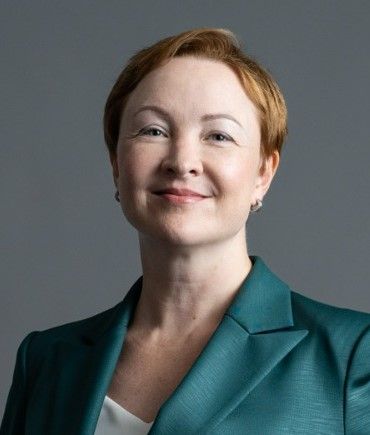
Tatiana Mitrova
Global Fellow at Center on Global Energy Policy, Columbia University
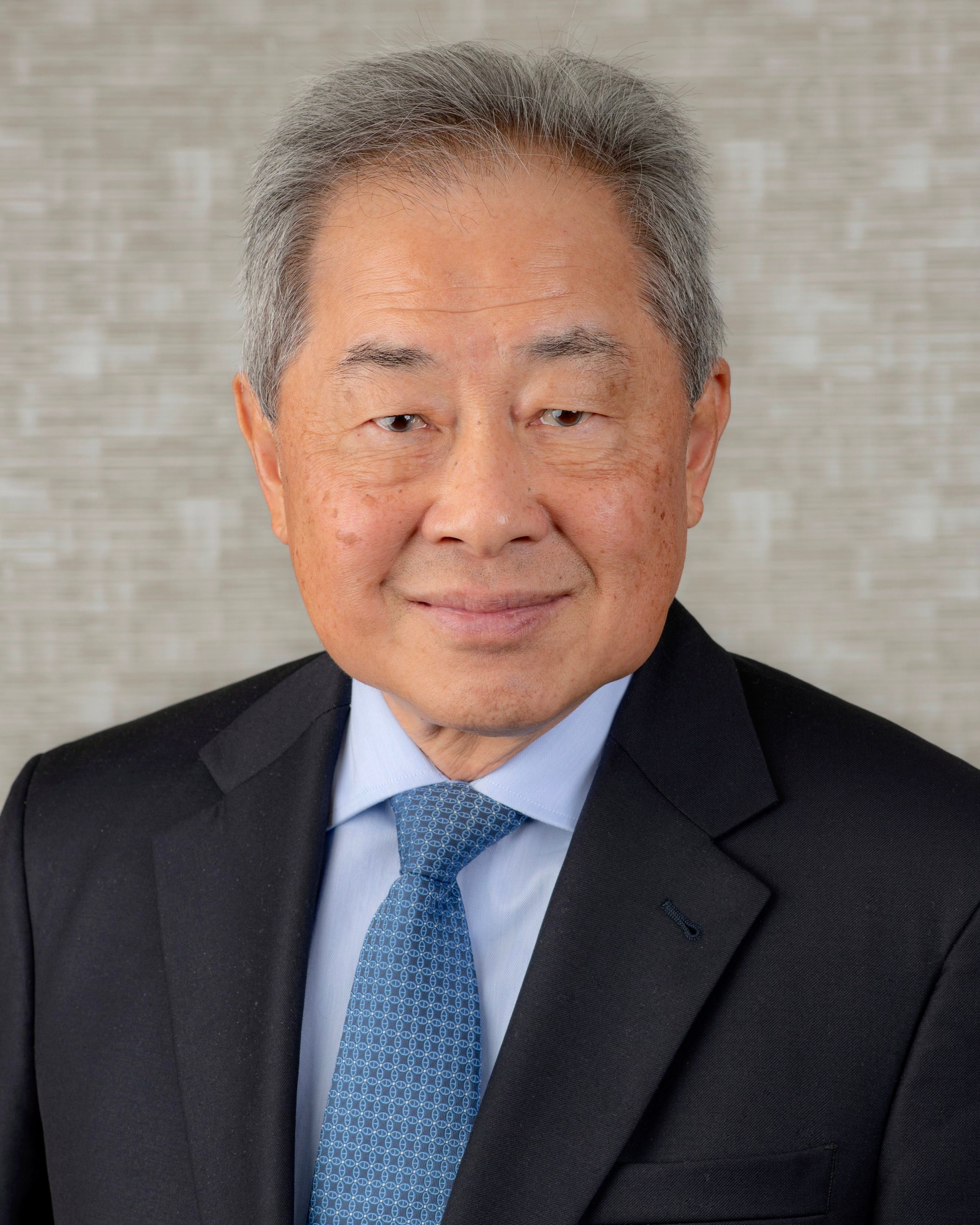
Edward Chow
Consultant at Independent
Can Europe Build Its Own Nuclear Umbrella?
Deepening doubts about the reliability of the United States’ extended nuclear deterrence have pushed Europe to seriously consider an idea that was long considered almost unthinkable: building its own nuclear umbrella. These concerns have grown markedly in recent months. The stance of the current US administration toward NATO allies, questions over American willingness to defend Europe in a high-stakes crisis with Russia, and the expiration of the New START treaty have led many European capitals to question whether they can continue to fully rely on Washington’s nuclear guarantee.
France has responded with a significant doctrinal evolution. In his speech of 2 March 2026 at the Île Longue submarine base, President Emmanuel Macron introduced the concept of “forward deterrence” (dissuasion avancée), confirmed that France’s vital interests have a clear European dimension, announced an increase in the size of the French nuclear arsenal, and signalled greater openness to nuclear cooperation and strategic dialogue with European partners. These developments come on top of the July 2025 Northwood Declaration between France and the United Kingdom, which substantially strengthened bilateral nuclear coordination.
The central question this discussion addresses is: Can France and the United Kingdom provide a credible nuclear umbrella for Europe, either as a complement to or a potential replacement for the American one? Would such an arrangement strengthen deterrence vis-à-vis Russia, or would it introduce new strategic risks?
Pavel Podvig and William Alberque will offer sharply contrasting assessments of this critical issue.
Contributors:

Pavel Podvig
Researcher at Russian Nuclear Forces Project

William Alberque
Senior Adjunct Fellow at The Pacific Forum
Contributors
Contributors are verified experts who present positions, engage in structured exchanges, and respond to questions. Their contributions define the substance of each discussion.
Samuel Charap
Distinguished Chair in Russia and Eurasia Policy
Edward Chow
Consultant
Tatiana Mitrova
Global Fellow